
Services · Cylinder reconditioning
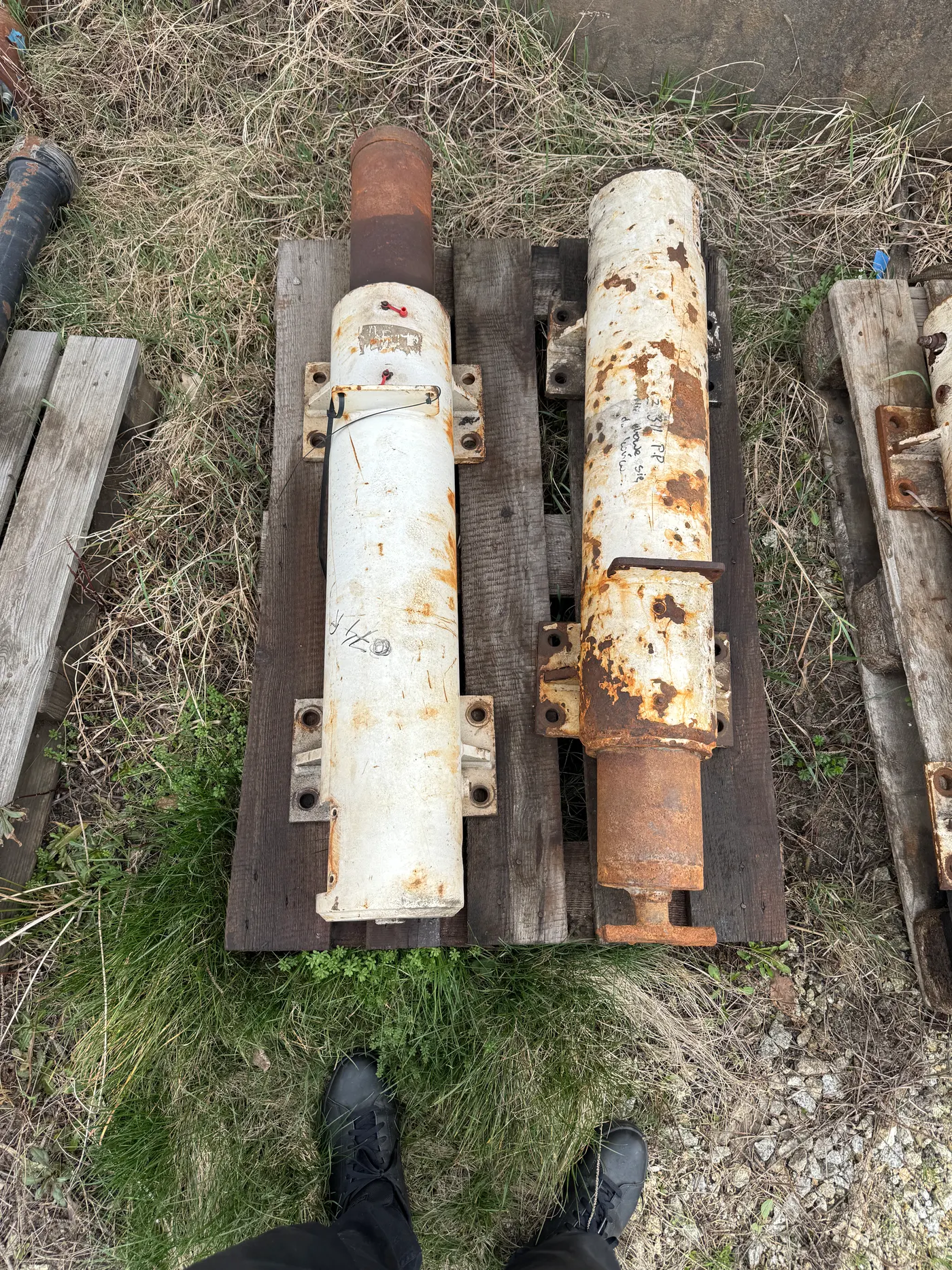
Cylinders with safety valves
Reconditioning of cylinders fitted with safety valves, including calibration and pressure testing against the applicable safety requirements.
What we do
- Diagnosis and measurement of valve cracking pressure
- Valve removal with the existing settings recorded
- Cleaning, inspection and replacement of valve components
- Assembly, function testing and a report with pressure traces
Our specialisations
Direct-acting relief valves
Simple valves opened directly by oil pressure, used where flows are modest.
Pilot-operated relief valves
Two-stage designs for high flows, where a pilot valve controls the main valve.
Integral overload valves
Built into the cylinder head to protect against mechanical overload.
Load-holding check valves
These stop a load dropping uncontrolled if the supply circuit fails — the reason the valve is there at all.
What the valve is actually for
A safety valve on a hydraulic cylinder is not an accessory. On a lifting or holding application it is the thing that stops a load descending when a hose bursts or the supply pressure disappears. Everything else on the cylinder affects productivity; this affects whether somebody gets hurt.
That has a consequence for reconditioning. A rebuilt cylinder whose valve was never checked is worse than one that was left alone, because it looks serviced. So on any unit that arrives with a valve fitted, the valve is part of the job whether or not it was mentioned in the enquiry.
How we handle the valve
We measure the cracking pressure before stripping anything, and record it. That tells us what the valve was actually doing in the machine, which is frequently not what the plate says it should be doing.
The valve then comes off with its settings documented, gets cleaned and inspected, and has worn components replaced. Seats and poppets that have been eroded by contaminated oil are the usual finding.
On reassembly the valve is set and function tested, and you get a report with the pressure traces. The point of the traces is that they show the valve opening and reseating, not merely that somebody wrote a number on a form.
What we need from you
The most useful thing is the setting the valve is supposed to hold, and what the cylinder lifts or holds. If the machine documentation is gone — which it often is — tell us the load and the geometry and we will work back to a sensible figure and put it in writing.
If the valve is integral to the head and the maker no longer supplies it, we can usually recondition the existing one. Where we cannot, we will say so rather than reassemble the cylinder with a valve we do not trust.
Related services
Bosch Rexroth cylinder reconditioning
Reconditioning of Bosch Rexroth hydraulic cylinders: end cushioning, stroke measurement, rod chrome plating an…
Double-acting cylinder reconditioning
Reconditioning of double-acting hydraulic cylinders: diagnosis, seals, rods, honing and pressure testing. Hard…
Fletcher cylinder reconditioning
Reconditioning of cylinders for Fletcher mining machinery: roof supports, lifting and extension rams. No waiti…
Sending parts to us from abroad
We are based near Wrocław in south-west Poland, inside the EU. Parts arrive here by courier or pallet freight from across Poland and from EU countries — there is no customs clearance on shipments sent within the EU, so a pallet from Germany or Czechia moves the same way a domestic one does.
1
Send photos first, not the part
A photo of the nameplate, a photo of the whole unit and a line about what it does wrong. We will tell you whether it is worth reconditioning before you pay for freight.
2
Drain the oil
Hydraulic units must be drained before dispatch — couriers refuse them otherwise, and a leaking pallet is usually rejected on arrival.
3
Pallet, not a parcel
Anything above roughly 30 kg or 1.5 m travels safest strapped to a pallet, with the rod end protected. Long cylinders need the rod retracted and secured.
4
Send it to the workshop address
ul. Stalowa 1-13, hala 17, 55-330 Błonie, Poland. Put your company name and a contact number on the paperwork so we can match the pallet to the enquiry.
We can quote and invoice in EUR. If you are a VAT-registered business in another EU country, tell us your VAT number when you ask for the quote. Return freight is arranged the same way the part came in — we will confirm the cost together with the quotation, before any work starts.